

How to Maintain and Care for Your Stair Tread Covers
Staircases are an essential component of residential and commercial buildings, leading individuals safely up and down from one level to another. Due to high usage, stair treads usually undergo significant wear and tear. To safeguard them and add to their lifespan, most property owners install the Stair Tread Covers. These coverings offer extra durability, improved safety, and even give a neater appearance to your staircase.
But like any other feature in your home or workplace, stair tread covers need proper maintenance to perform at their best. In this article, we’ll explore effective ways to care for your stair tread and risers, ensuring that both stair tread covers and stair risers remain in top condition for years to come.
Why Stair Tread Covers Need Maintenance
Although stair tread covers are made to be strong and resistant, they remain exposed to foot traffic, dust, wetness, and even heavy machinery at times. All these over time lead to scratches, fading, or loosening if not taken care of in time. Regular maintenance not only keeps your covers lasting longer but also:
Avoids slips and falls due to worn-out surfaces.
Keeps the beauty of your staircase intact.
Shield the underlying risers and stair treads from harm.
Save money by not having to replace them prematurely.
Tips for Cleaning Stair Tread Covers
Cleaning is among the easiest yet most effective of stair tread cover maintenance practices. Various materials have their own mode of cleaning:
1. Rubber Stair Tread Covers
Procedure: Sweep every day to eliminate dirt and grit that can erode the surface. Clean weekly using a mild soap solution and mop.
Tip: Steer clear of harsh chemicals, which can dehydrate rubber and lower slip resistance.
2. Metal Stair Tread Covers
Technique: Dust with a soft brush or vacuum. Dampen with a mild cleaner and water on a damp cloth. For staircases outside, clean with water to remove mud or salt.
Tip: Use protective coatings such as anti-rust sprays to extend the life of metal covers.
3. Wooden Stair Tread Covers
Method: Dust every day and polish with a lightly damp cloth. Use wood-safe polishes and cleaners to keep it shiny.
Tip: Seal or varnish periodically to keep it from scratches and water damage.
4. Carpeted Stair Tread Covers
Method: Vacuum on a regular basis to get rid of dirt and allergens. Instantly blot stains using fabric-safe cleaners.
Tip: Steam clean carpet every few months to revive fibers and eliminate embedded dirt.
5. Stone or Tile Stair Tread Covers
Method: Sweep daily and mop with pH-neutral cleaners. Do not use acidic cleaners that may erode natural stone.
Tip: Seal stone covers annually to guard against stains and moisture absorption.
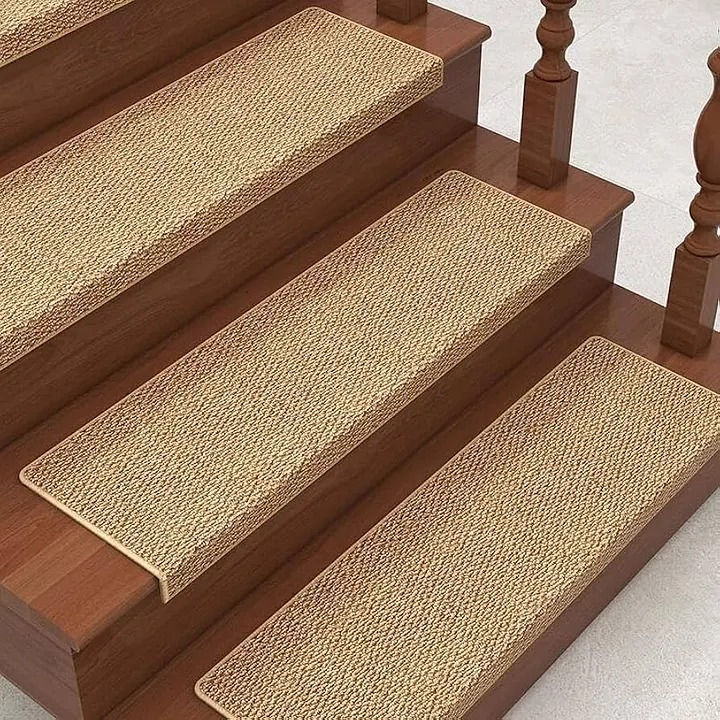
Checking Stair Treads and Risers
Regular checking is necessary to make sure both Stair Treads And Risers are strong and safe. With time, staircases may have loose covers, cracks, or gaps between stair tread and risers.
Here’s what to check
Loose Covers: Make sure the covers are tightly attached to the tread. Loose covers are a serious tripping hazard.
Edge Protection: The leading edge of the tread receives most wear. Inspect for chipping or curling.
Risers: Verify stair risers are intact, without cracks, stains, or structural damage. A broken riser can destabilize the staircase.
Surface Grip: Check the anti-slip properties. If the surface is wearing smooth, have the cover resurfaced or replaced.
Preventive Maintenance of Stair Tread Covers
While cleaning and inspection are necessary, the use of preventive measures will also be able to extend the lifespan of your covers.
Mat Usage at Entrances
Ensure that dirt, sand, and moisture do not reach the staircases by placing mats at entryways. This helps minimize abrasion and staining on stair treads.
Protective Coatings
For wood, metal, or stone coverings, protective finishes such as sealants, polishes, or anti-slip sprays add additional protection against wear.
Control Moisture
Moisture weakens adhesives and can destroy some materials. Clean up spills at once and provide staircases in damp regions with adequate ventilation.
Add Stair Nosing
Strengthen the front edge of every tread with stair nosing to prevent chipping and increase safety.
Limit Heavy Impact
Do not drag furniture or machinery up and down staircases, as this can scratch or dent stair tread covers.
When to Replace or Repair Stair Tread Covers
Even with constant maintenance, stair tread covers will wear out over time. Knowing when to replace or repair them is important:
Repair: Minor scratches, stains, or loose areas are usually easily fixed using adhesives, patch kits, or refinishing treatments.
If covers are cracked, worn out, or do not offer grip anymore, replacement is the best choice. At this stage, also check stair risers to make sure the whole staircase is in good condition.
Advantages of Maintenance
Stair tread covers maintenance is not solely for looks it has long-term advantages:
Safety: Prevents slips, trips, and falls.
Cost-effectiveness: Avoids costly repairs or total replacements of stair treads and risers.
Longevity: Maintains both covers and substrates in fantastic condition.
Aesthetic Value: Maintains the professional or hospitable look of your staircase.
Conclusion
Maintenance and proper care of Stair Treads are crucial to providing safe, long-lasting, and good-looking staircases. Cleaning and inspections, as well as preventative maintenance and on-time repair, all contribute to prolonging the lifespan of stair treads and risers. By attending to details such as moisture control, protective coatings, and anti-slip features, you can maintain excellent condition in your stair tread covers for years to come.
Whether in a busy commercial building or a family home, well-maintained stair treads and risers provide not only functionality but also peace of mind knowing that your staircase is safe, strong, and stylish.


Comments