

Composite Decking Tiles For All-season Garden Floors

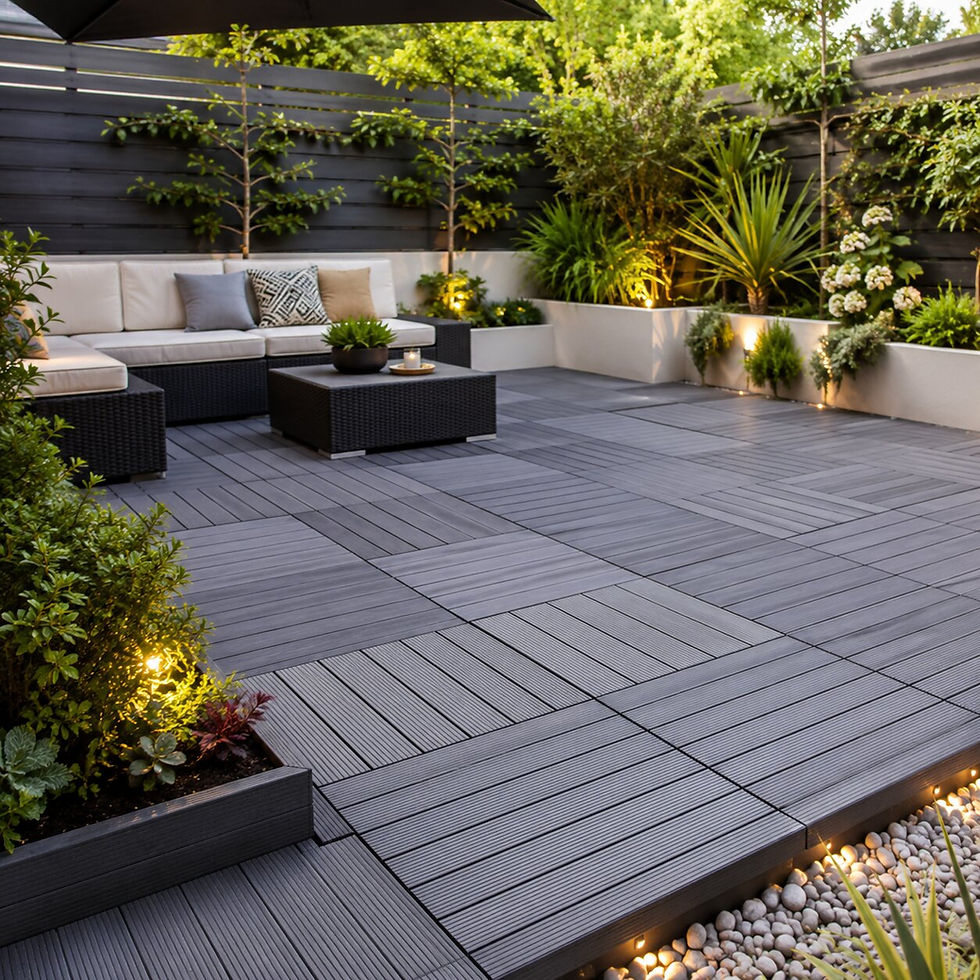
Composite decking tiles provide a low-maintenance, high-performance option for building resilient outdoor surfaces that can withstand the rigors of every season. These interlocking squares are now frequently installed by homeowners to replace outdated timber decks that have rotted, discolored, or splintered over time. Additionally, from the hottest summer months to the coldest winter months, it offers a non-slip, weather-resistant layer that keeps feet safe and comfortable. This feature is ideal for uncovered patios, garden walkways, and balcony floors that are subjected to strong UV radiation or heavy rain. Consequently, the appropriate Composite Decking Tiles will protect your landscape from the weather. They turn a yard that requires a lot of upkeep into a durable and fashionable retreat.
Understanding the Engineering of WPC Tiles
High-density polyethylene and recycled wood fibers are uniformly blended to create wood-plastic composite (WPC) tiles. These particular items frequently have an exterior "co-extruded" shell that offers an additional layer of protection against scratches, stains, and dampness. Because it doesn't expand or contract like actual wood, the material is totally watertight and doesn't warp during seasonal temperature changes. It resists fungal degradation in moist conditions and wood-boring insects. To stop water from collecting, manufacturers incorporate a drainage system into the underside of the tiles. Additionally, even under the weight of bulky garden equipment, the surface remains level because of the stiff interior construction. The composite doesn't need to be sealed, stained, or sanded every year.
Installation Flexibility for Quick Renovations
A well-installed composite deck bridges the gap between industrial strength and domestic elegance. You can achieve a high-end architectural look without the time-consuming process of building a traditional sub-frame. These tiles allow you to choose between different layout patterns, such as a uniform parallel design or a decorative checkerboard style. However, many homeowners use the "click-lock" mechanism to install tiles directly over existing concrete, old paving stones, or worn-out timber. Moreover, these installation choices enable a quick weekend project that adds immediate value to the property.

Snap-lock Systems and Structural Stability
By using the integrated snap-lock mechanism on each tile edge, you can create a safe and gap-free surface. Even in the event of little thermal expansion, this technique guarantees that each square stays properly aligned with its neighbor. Due to this, it creates a sturdy platform for large barbecues and fire pits by preventing the Decking Tiles from moving or lifting. This guarantees that every visitor can walk on a level and trip-free surface. Possibilities for both square and rectangular tiles enable you to alter the arrangement to match the precise measurements of your terrace or balcony. Also, selecting the appropriate locking method enables you to get a polished and flawless outcome.
Drainage and Subfloor Ventilation
Typically, composite tiles have an elevated plastic foundation that permits free passage of water and air beneath the surface. Tiles with high-clearance bases that stop mold or mildew from growing on the flooring are readily available. After a lot of rain or snowmelt, this adaptability guarantees that the garden floor remains clean and dry. Because of this, you don't have to be concerned about water becoming trapped and harming the concrete underneath your house. Both the tiles and the flooring have longer lifespans when there is clear and regular drainage.
Aesthetic Trends and Texture Variations
The architectural character of your house and your particular taste in design will determine which style is best. In a classic garden, you would want a rich wood-grain texture to create an organic, rustic feel. Alternatively, an urban apartment balcony or a minimalist rooftop deck might require a smooth, sanded finish. varied textures offer varied degrees of slip resistance and light reflection. Ultimately, even in areas with heavy usage, premium options maintain their embossed patterns. recognize each tile type's own visual impact. This enables you to match the decking to the external color scheme of your building. Because of this, contemporary garden floor that appears brand new for ten years is the result of making the proper decision.
Charcoal and Silver-grey Minimalist Trends
The industry standard for modern, slate-like garden borders is charcoal and silver-grey. They offer a stark contrast that draws attention to the vivid greens of your lawn and plants. The synthetic hues remain bold and neat even after years of rain or snow. These are ideal for minimalist residential patios and contemporary commercial showrooms. They work nicely in places that need a tidy, urban look. Moreover, dust and pollen are kept off the dark surfaces by routine hosing. These hues give any outdoor refurbishment a feeling of permanency and grandeur.


Comments